In the textile industry, combing brushes and comber machinery are two crucial tools and equipment. They play an indispensable role in the process of fiber combing and refining. This article will delve into the definition, functions, working principles, and applications of combing brushes and comber machinery in the textile industry.
1. Combing Brush
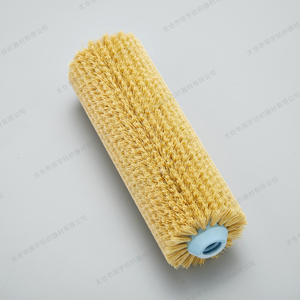 A combing brush is a tool used in the textile industry primarily for combing fibers. It typically consists of bristles, a handle, and a base. The bristles of the combing brush are usually made of durable materials such as nylon or metal wire to ensure longevity and efficiency. The size and shape of the combing brush can be adjusted according to different types of fibers and production requirements.
2. Comber Machinery
Comber machinery is an automated equipment used for combing and refining fibers. They typically consist of a series of rotating drums and brushes. By continuously combing and stretching the fibers, comber machinery eliminates short fibers and impurities from the fiber, achieving the desired fiber length and quality.
3. Working Principles of Combing Brushes and Comber Machinery
3.1 Working Principle of Combing Brushes:
Combing brushes effectively separate short fibers and impurities in fiber bundles through the special design and arrangement of their bristles.
The handle of the combing brush allows the operator to control its movement and apply it to fiber bundles for combing and refining.
3.2 Working Principle of Comber Machinery:
Comber machinery disperses and stretches fiber bundles through the movement of rotating drums and brushes, separating short fibers and impurities from the fiber.
Comber machinery is usually equipped with multiple working stages, each of which combs and refines the fiber to a specific extent, ensuring the quality of the final product.
4. Applications of Combing Brushes and Comber Machinery in the Textile Industry
 4.1 Application of Combing Brushes:
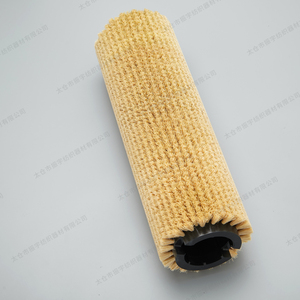
Combing brushes are commonly used in hand spinning and textile crafts for the initial combing and refining of fiber bundles.
They are also widely used in the finishing process of textiles to remove fuzz and impurities from the surface of fibers, enhancing the appearance and quality of textiles.
4.2 Application of Comber Machinery:
Comber machinery is typically used in large-scale textile production to achieve efficient fiber combing and refining, improving production efficiency and product quality.
They are widely applied in cotton spinning, wool spinning, and synthetic fiber production, playing a crucial role in the pretreatment and fine processing of fibers.
5. Conclusion
Combing brushes and comber machinery, as important tools and equipment in textile production, play a crucial role in fiber combing and refining. Their continuous improvement and application drive the development of the textile industry, improving production efficiency and product quality, and providing reliable technical support for the production and processing of textiles. With the continuous advancement of technology and innovation in textile processes, combing brushes and comber machinery will continue to play an important role and have an increasingly significant impact on the development of the textile industry.

 A combing brush is a tool used in the textile industry primarily for combing fibers. It typically consists of bristles, a handle, and a base. The bristles of the combing brush are usually made of durable materials such as nylon or metal wire to ensure longevity and efficiency. The size and shape of the combing brush can be adjusted according to different types of fibers and production requirements.
 4.1 Application of Combing Brushes:
